
By working towards improving global air quality and eliminating harmful chemicals, UNEP is contributing to Sustainable Development Goal 3 and Goal 12 which aim to ensure healthy lives for all and promote the sound management of chemicals to minimize their effect on humans and the environment.
Air Pollution
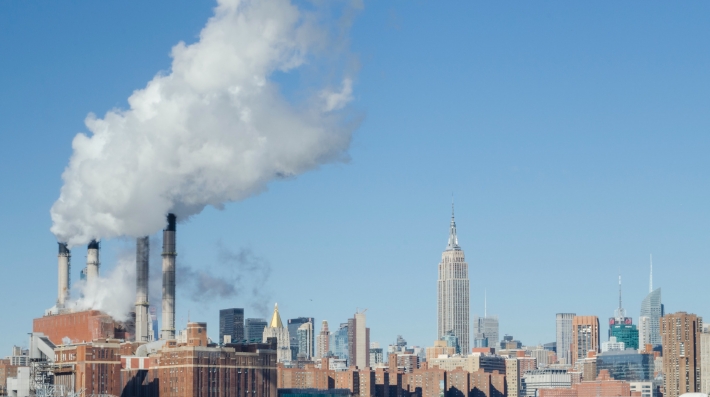
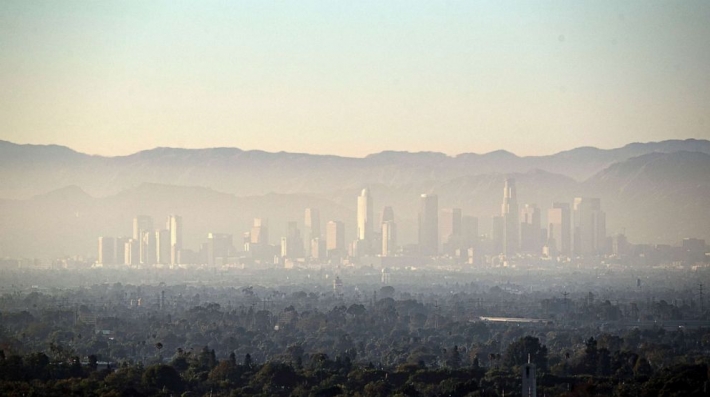
Air pollution is the single largest environment-related global health risk of our time, causing approximately 7 million premature deaths globally every year.
The International Day of Clean Air for blue skies calls on governments, corporations, civil society and individuals to take action to reduce air pollution and bring about transformative change and #CleanAirForAll.
Recognizing this growing global threat of air pollution, the UN Environment Assembly (UNEA) adopted resolutions to guide governments in promoting better air quality. As a result, UNEP North America produced a report, Actions on Air Quality in North America: Canadian and U.S. Policies and Programmes to Reduce Air Pollution," which highlights the progress that both countries have made towards reducing air pollution through air quality management planning and provides case studies to delve deeper.
In North America, approximately 3 out of 10 people live in areas live in areas where one or more of their respective ambient air quality standards are not met. The burden of air pollution is far from evenly shared and people of color and low-income neighborhoods face a significantly higher risk of environmental health effects.

The story of Stockton, California, demonstrates the importance of engaging with frontline communities, who face the greatest challenges and often have some of the most practical solutions, on issues like air quality management.
The Climate and Clean Air Coalition, is an international partnership hosted by UNEP, that is working to protect the climate and improve air quality in communities around the world through actions to reduce short-lived climate pollutants. This has the potential to slow down global warming by as much as 0.5° C by 2050.
Chemicals and E-Waste
Though chemicals bring benefits for the economy, the rapid increase in their use and build up in our environment comes at a price for human and planetary health.
In North America, some human-made chemicals are critical ingredients in things people can’t live without, from fertilizers to medicines to packaging. But many chemicals – including some that are highly toxic – are mismanaged, and escape into the environment where they wreak havoc on ecosystems and contribute to human fatalities.
The good news is that countries recently agreed to establish a new Intergovernmental Science-Policy Panel on Chemicals, Waste and Pollution. The panel will help turn scientific findings into action, supporting the framework and other multilateral environmental agreements.